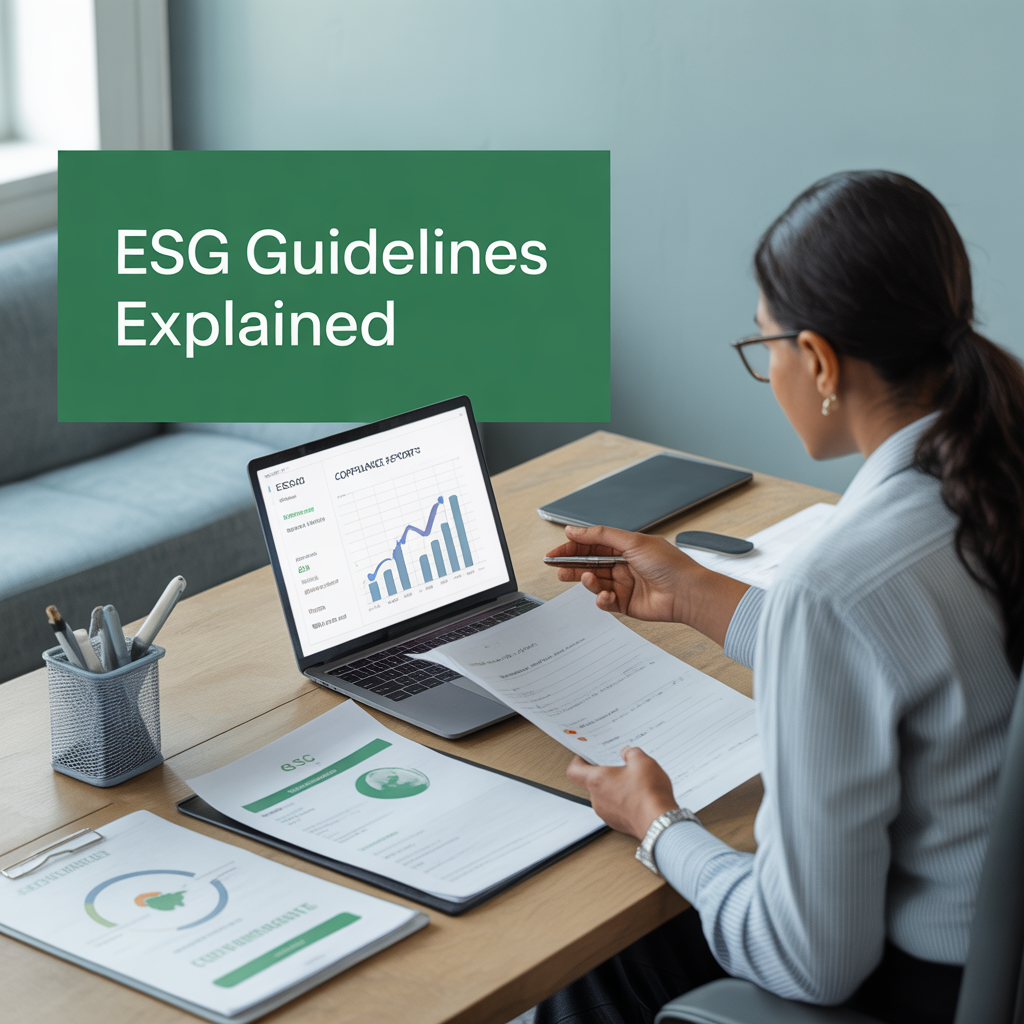
Business has changed. Profit alone no longer defines success in global markets. Expectations are rising. Performance is being measured beyond revenue numbers. Companies now face pressure from investors and regulators.
Long-term sustainability is being prioritized over short-term gains. Understanding what is ESG has become essential. It is now considered a core part of corporate strategy.
What is ESG?
ESG stands for Environmental, Social and Governance. It defines how responsibly a company operates in modern markets. Three pillars exist. Each pillar is evaluated separately.
Environmental impact is measured. Social responsibility is assessed carefully. Performance is reported publicly. Clear standards are followed.
What Are ESG Guidelines?
Many people ask, what are ESG guidelines? The structured standards that guide companies in measuring and reporting sustainability practices is what it is. Specific frameworks exist. Global standards are followed by corporations. Data is collected systematically. Reports are published annually.
Organizations implement internal controls. Investors compare ESG performance across industries. Transparency is encouraged strongly. Compliance is required in many regions. Clear disclosures reduce uncertainty. Better comparisons are made possible.
1. The Environmental Component
Environmental targets are announced publicly. Progress is reviewed by independent auditors. Sustainability strategies improve efficiency. Operational costs are reduced over time.
2. The Social Component
People matter. Workplace practices are evaluated under ESG standards. Employee welfare is reviewed. Diversity metrics are reported annually. Companies strengthen inclusion policies. Ethical sourcing is monitored carefully.
Customer trust increases. Brand loyalty improves steadily. Reputation is protected through responsible action. Long-term relationships are strengthened.
3. The Governance Component
Leadership defines direction. Corporate governance is assessed through structured frameworks. Board independence is evaluated. Executive compensation policies are disclosed publicly.
Companies enforce ethical codes actively. Audit systems improve financial oversight. Internal controls are documented clearly. Regulatory compliance is monitored continuously. Strong governance reduces risk. Investor trust is strengthened consistently. Scandals are prevented through accountability. Stability is maintained across operations.
ESG and Financial Performance
Financial outcomes matter. ESG performance is now linked with profitability indicators. Risk exposure is reduced. Operational efficiency is enhanced systematically. Investors reward transparent companies. Analysts evaluate ESG disclosures carefully. Credit ratings are influenced by sustainability data. Lending conditions are adjusted accordingly.
Stronger returns attract capital. Market reputation improves steadily. Value is created sustainably. Growth is supported by responsible governance.
Career Scope and the Importance of an ESG Course
Demand for ESG professionals is rising across industries. New roles are being created. Specialized knowledge is required in reporting and compliance. Students pursue structured learning actively. Professionals upgrade skills continuously. An ESG course provides practical understanding of frameworks and disclosure standards. Global regulations are explained in detail. Career opportunities increase significantly. Industry relevance becomes stronger. Technical skills are developed systematically. Confidence is built through applied knowledge.
Why Finance Professionals Must Understand ESG
Finance is evolving. Sustainability data is being integrated into financial reporting systems. Asset valuations are influenced by climate risk. Governance failures are reflected in stock performance. Accountants analyze ESG metrics actively. Auditors verify sustainability disclosures carefully. Financial models incorporate non-financial risks. Investment strategies are adjusted accordingly. Understanding what is ESG creates advantage. Long-term success is supported by responsible expertise.
FAQs
- What is ESG?
ESG measures how responsibly a company operates beyond financial performance. Environmental impact is assessed. Social responsibility is evaluated systematically. Governance practices are reviewed carefully. Investors use ESG scores to guide decisions. Business risk is reduced through structured ESG adoption.
- How can an ESG course help professionals?
Specialized ESG knowledge is being valued across industries. Professionals build reporting expertise actively. Regulatory standards are explained in structured formats.
An ESG course strengthens analytical skills. Practical frameworks are taught for implementation.
