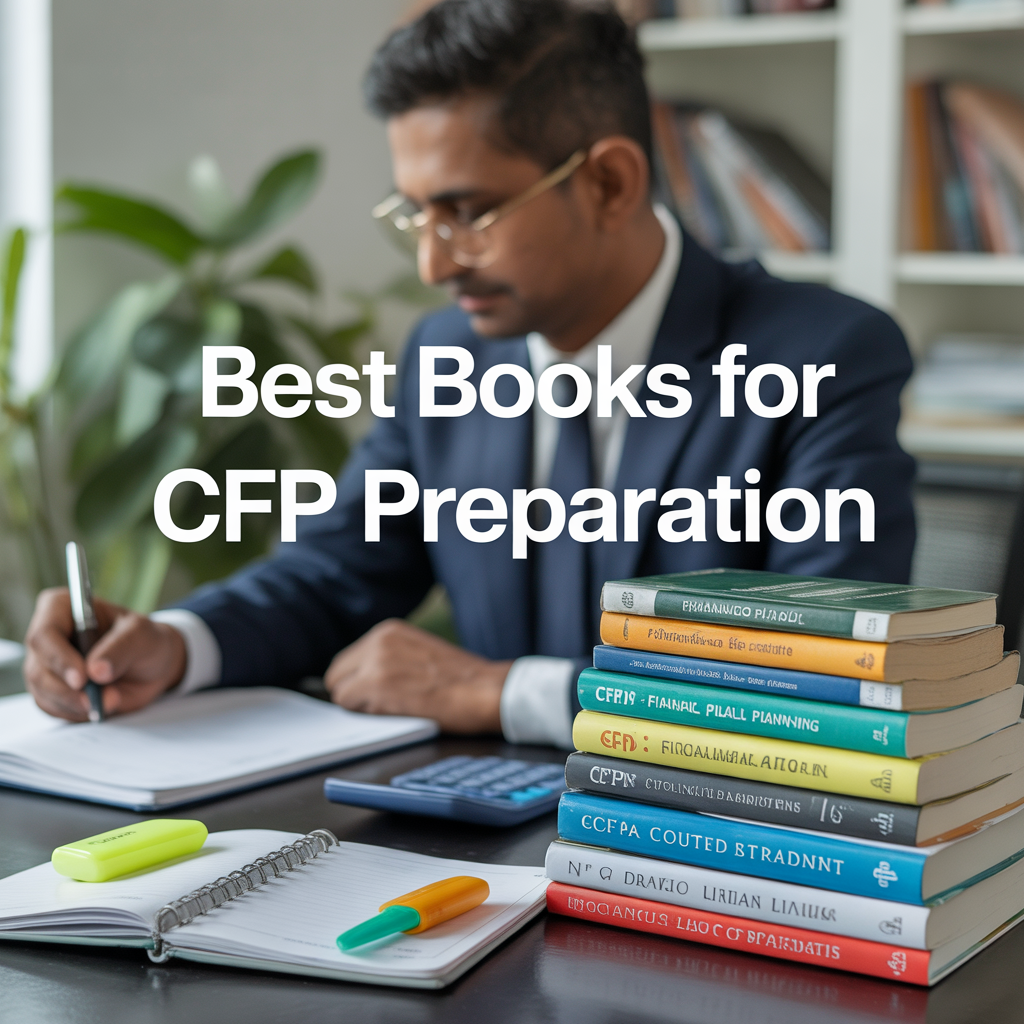
Executive Summary:
- CFP preparation requires the right resources. Book selection directly influences study efficiency and exam performance. Many options exist. Clarity is often missing at the beginning.
- Students search for the best books for CFP without reviewing the syllabus carefully. Structured planning is recommended before purchasing any material. Official guides should be prioritized. Outdated editions must be avoided. A balanced mix of textbooks and practice papers improves preparation. Confidence is strengthened through repeated mock testing.
- Common mistakes slow progress. Excess material is often collected unnecessarily. Focused selection saves time. Consistent revision improves retention and application skills. Understanding the CFP course structure creates direction. Preparation becomes more efficient when resources are aligned with exam objectives.
Choosing the right books matters. CFP preparation requires structured and concept-driven study. Many options are available. Confusion is often created by excessive recommendations.
Students search for the best books for CFP before understanding the exam pattern. Study efficiency is influenced by the quality of material selected. The right resources save time. Wrong choices delay progress. A focused strategy improves retention. Results are strengthened when preparation is aligned with the syllabus.
Understanding the CFP Course Structure
You must first understand the CFP course. The certification covers financial planning, taxation, retirement planning, insurance and investment management.
Financial planning principles build the foundation. Advanced applications test analytical ability. Case studies are included in the exam. Practical understanding is evaluated carefully. Preparation must be systematic. Revision should be consistent. Strong basics improve confidence. Exam performance is enhanced through applied practice.
Why Choosing the Right Books for CFP Exam Is Important
Study material determines direction. Preparation quality is shaped by the books selected. Outdated content creates confusion. Updated editions are recommended strongly. Students waste time switching resources frequently. Consistency improves mastery of concepts. Core textbooks provide structure. Supplementary notes clarify difficult topics.
Mock papers build exam readiness. Confidence is developed through repeated testing. The right combination works. Excess material creates unnecessary pressure.
Best Books for CFP: Recommended Categories
No single book is sufficient. A balanced approach is usually preferred by successful candidates. Official study guides must be prioritized. Core financial planning textbooks are used widely.
Practice question banks strengthen application skills. Case-based workbooks improve analytical thinking. Revision notes simplify complex chapters. Flashcards are used for quick recall. Updated regulatory content is essential. Older versions should be avoided during final preparation. Structured material builds clarity. Focused revision sharpens performance.
Step-by-Step Guide to Choosing Study Materials
Selection should not be random. A systematic approach reduces confusion.
- Step 1: Review the CFP course syllabus carefully. The exam structure must be understood clearly. Identify core subjects first.
- Step 2: Match books with official curriculum guidelines. Compare editions before purchase. Outdated versions should be avoided completely.
- Step 3: Check author credibility. Professional experience adds value to explanations.
- Step 4: Read sample chapters. Clarity of language should be evaluated personally.
- Step 5: Choose one primary textbook per subject. Too many core books create overlap and distraction.
- Step 6: Add one reliable question bank. Practice consistency improves exam readiness significantly.
- Step 7: Revise regularly. Track progress through mock assessments.
Common Mistakes to Avoid While Selecting Books
- Many students overbuy. Excessive material is often collected without a clear plan.
- Too many sources create confusion. Important concepts are overlooked during scattered preparation.
- Some rely only on summaries. Core textbooks must be studied thoroughly.
- Outdated editions are sometimes used. Regulatory updates are missed as a result.
- Students ignore practice papers. Application skills are weakened without testing.
- Peer recommendations are followed blindly. Individual learning style is rarely considered.
Should You Rely Only on Books?
Books provide foundation. Practical application is tested through case scenarios. Mock exams must be attempted seriously. Time management is evaluated during full-length practice tests.
Discussion groups clarify doubts. Professional mentoring strengthens understanding. Online lectures supplement reading effectively. Structured guidance is preferred by working professionals. Books alone may not be enough. Integrated preparation creates better outcomes.
CFP vs Other Finance Courses
Comparisons are common. Students often confuse CFP with other certifications. The CFP course focuses on financial planning for individuals. The CFA course details emphasize investment analysis and portfolio management. Both are respected globally. Career paths differ significantly. Study material selection should align with career goals. Preparation strategy must reflect exam objectives clearly.
Final Thoughts on Best Books for CFP Preparation
Preparation demands discipline. Book selection influences efficiency and clarity. You must choose carefully. Time should be invested in structured planning.
The best books for CFP build conceptual strength. Quality resources guide performance. Confidence is strengthened through systematic preparation. Smart selection saves effort. Focused study leads to stronger results.
FAQs
- What are the best books for CFP preparation?
There is no single perfect book. The best books for CFP usually include official study guides and structured financial planning textbooks. Core concepts must be covered thoroughly. Practice question banks should be included in preparation. Students strengthen understanding through consistent reading. Exam readiness is improved through mock tests. Updated editions are recommended. Outdated content should be avoided completely.
- Can I rely only on books for CFP preparation?
Books build foundation. Application skills are tested through case-based questions. Students practice regularly. Time management is evaluated during full-length tests. Discussion and mentoring improve clarity. Structured guidance is preferred by many working professionals. Books are essential. Integrated preparation produces stronger outcomes.
- How is CFP different from CFA in terms of study material?
The CFP course focuses on financial planning for individuals. The CFA course details concentrate on investment analysis and portfolio management. The syllabus differs significantly. Career goals should guide certification choice. Study material must align with objectives. Preparation strategy should reflect the exam structure clearly.
